Mark Carney managed to consolidate the views of Quebec politicians and bring independence movements in both Quebec and Alberta together.
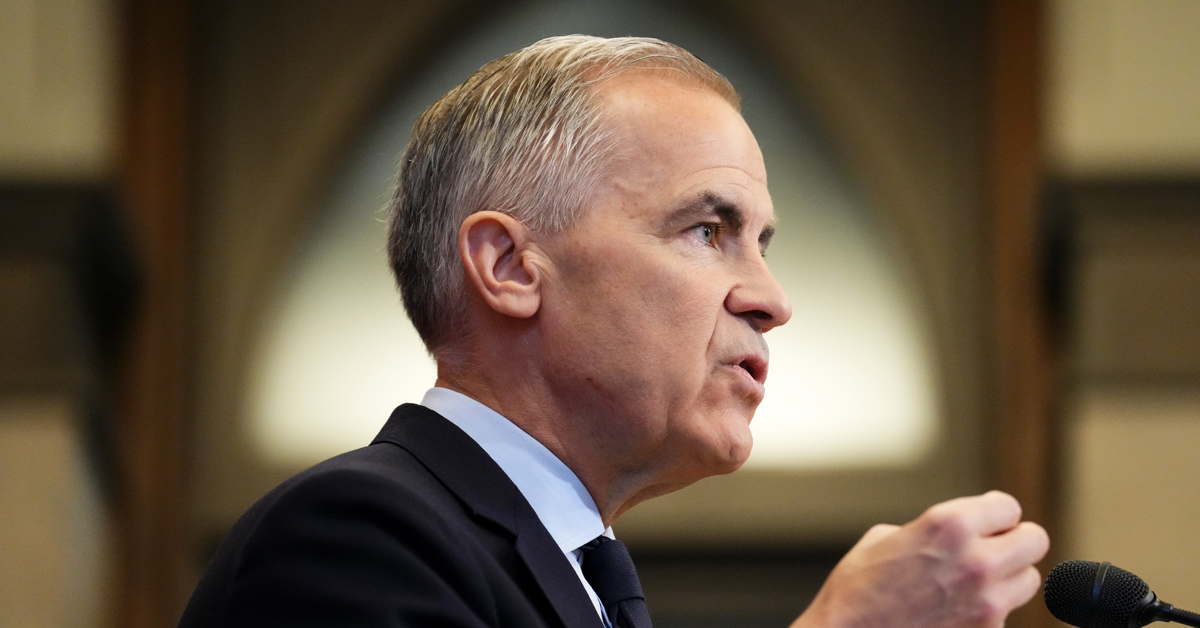
When the prime minister contradicted his own Parliamentary Secretary to the Minister of Justice by stating that 50% plus one in a referendum was not enough support to trigger provincial independence, he garnered a unified response to his assertion from Quebec politicians.
While the Coalition Avenir Québec (CAQ) government opposes Quebec independence, it is strongly supportive of the province’s right to self-determination. Justice Minister Simon Jolin-Barrette said: “It is very clear that if Quebeckers wish to decide on constitutional issues concerning their future, it is the laws of the Quebec Parliament that apply.”
Jolin-Barrette is referring to Quebec’s Bill 99 passed in 2000 which explicitly stated a simple majority will suffice in an independence referendum.
Parti Québécois members were incensed by Carney’s statement with MNA Alex Boissonneault calling the prime minister out of touch and saying the comments were troubling and unacceptable.
Even the Quebec Liberal leader affirmed that as far as Quebec is concerned, a majority in a referendum is 50% + 1.
It’s hard to find a time when politicians from parties across the political spectrum in one province all agree on one thing like this. Particularly in Quebec, where an election is looming and an independence party is well placed to win this fall.
The Carney government may not think twice about alienating Western independence supporters, but it’s quickly finding out that barriers it tries to place in front of the Alberta independence movement will be considered barriers placed in front of Quebec’s.
And Quebec’s political class all agrees that the province isn’t seeking input or permission from Carney about its independence aspirations.
Political analyst Antonine Yaccarini correctly called Carney’s stance paternalistic. She then wrongly said he had fuelled divisions.
Carney didn’t fuel division. He managed to consolidate the views of Quebec politicians and bring Quebec and Alberta’s independence movements closer together.
Signup
The legacy media is counting on one thing: that you'll see the false headline and never see the correction. Don't let them get away with it.
Sign up for email updates from Alberta Fact Check and we'll send every new fact check straight to you the moment it's published. You'll always know what was said, who said it, and exactly where they got it wrong. It's free, it takes ten seconds, and it's the easiest way to stay one step ahead of the spin.