When Alberta joined Confederation in 1905, Ottawa retained control of Crown lands and natural resources, unlike the original provinces. The 1930 agreement transferred those resources to Alberta, giving the province the same constitutional status as the older provinces.

Alberta's energy resources "do not belong to Canada" to be used as leverage by other premiers or the federal government; instead, they belong to Alberta under Section 92 of the Constitution and the 1930 Natural Resources Transfer Agreement.
The Constitution is clear that Alberta has ownership and primary jurisdiction over its natural resources. Section 92A of the Constitution Act, 1867 grants provinces exclusive legislative authority over the exploration, development, conservation and management of non-renewable natural resources within their borders. It also gives provinces the power to levy taxes on resource production.
Alberta's ownership of its Crown lands and natural resources dates back to the Natural Resources Transfer Agreement of 1930.
When Alberta joined Confederation in 1905, Ottawa retained control of Crown lands and natural resources, unlike the original provinces. The 1930 agreement transferred those resources to Alberta, giving the province the same constitutional status as the older provinces.
That means Alberta — not the federal government and certainly not other provinces — owns the oil, natural gas and other natural resources found within its borders.
The issue has become politically relevant after several premiers suggested Alberta's oil and gas exports could be used as leverage in Canada's ongoing trade dispute with the United States.
Ford calling again to block oil, potash exports to U.S. in trade war gets cold response https://t.co/7rBgQIvLZY pic.twitter.com/HLOLHCERkN
— National Post (@nationalpost) July 22, 2026
While other premiers are free to advocate for such policies, they have no ownership interest in Alberta's resources. Decisions about developing and managing those resources fall primarily within Alberta's constitutional jurisdiction.
Signup
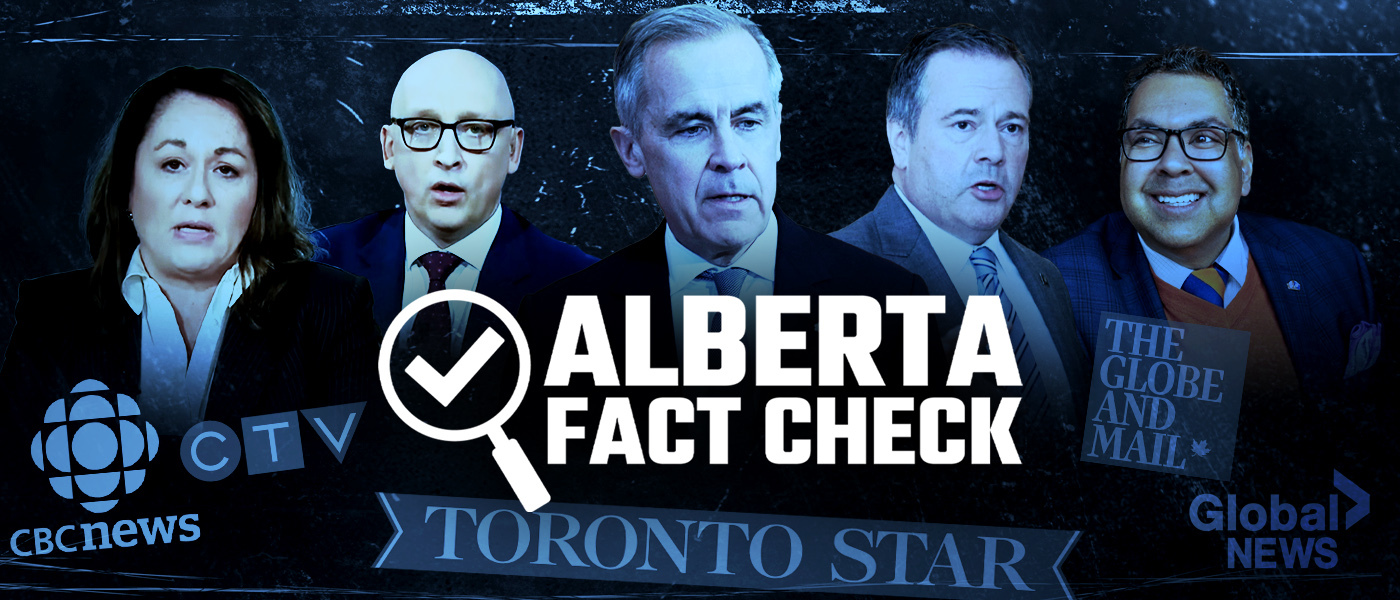
The legacy media is counting on one thing: that you'll see the false headline and never see the correction. Don't let them get away with it.
Sign up for email updates from Alberta Fact Check and we'll send every new fact check straight to you the moment it's published. You'll always know what was said, who said it, and exactly where they got it wrong. It's free, it takes ten seconds, and it's the easiest way to stay one step ahead of the spin.